From Tweets to newsrooms: the importance of digital tactics in today’s PR landscape

As a public relations professional, you may have heard the phrase, “reputation is everything.” In the age of the internet, this statement has never been truer. With just a few clicks, anyone can access information about your brand and if that information is negative, it can be damaging to your reputation.

That’s where digital tactics come in. Social media, email marketing, and online newsrooms are just a few of the tools that can be used to manage your brand’s reputation online.

Now, I know what you’re thinking – “But I do earned media! I don’t need to know about digital media!”

Well, let me tell you – you do. Digital tactics are crucial to the success of any reputation management campaign. And no, I’m not just saying that because I have a specialization in digital marketing strategies (although that certainly doesn’t hurt).

Let’s take social media, for example. In today’s world, social media platforms are where people go to share their thoughts and opinions. If someone has a negative experience with your brand, it’s likely they’ll take to social media to air their grievances. But if you’re actively monitoring your social media channels, you can respond in a timely and appropriate manner, potentially turning a negative experience into a positive one.

Email marketing is another powerful tool for reputation management. By building a strong email list and sending out regular newsletters, you can keep your audience informed about the great things your brand is doing. This can help counteract any negative information that may be circulating online.

And let’s not forget about the importance of an online newsroom and website strategy. Your website is often the first place people will go to learn about your brand. By ensuring that your website is up-to-date and informative, you can help shape the narrative around your brand.

Now, you’re probably thinking – “But I don’t have time for all of this! I have clients to manage and relationships to build!”

Trust me, I get it. But the truth is, in today’s world, digital tactics are no longer optional. They’re a necessary part of any successful reputation management campaign.

So my fellow public relations pros, I implore you – don’t let your lack of digital knowledge hold you back. Embrace these tactics and use them to your advantage. Your brand’s reputation will thank you.

And who knows – you might even learn to enjoy tweeting and ‘gramming in the process.
5 Things Every Social Media Manager Must Do

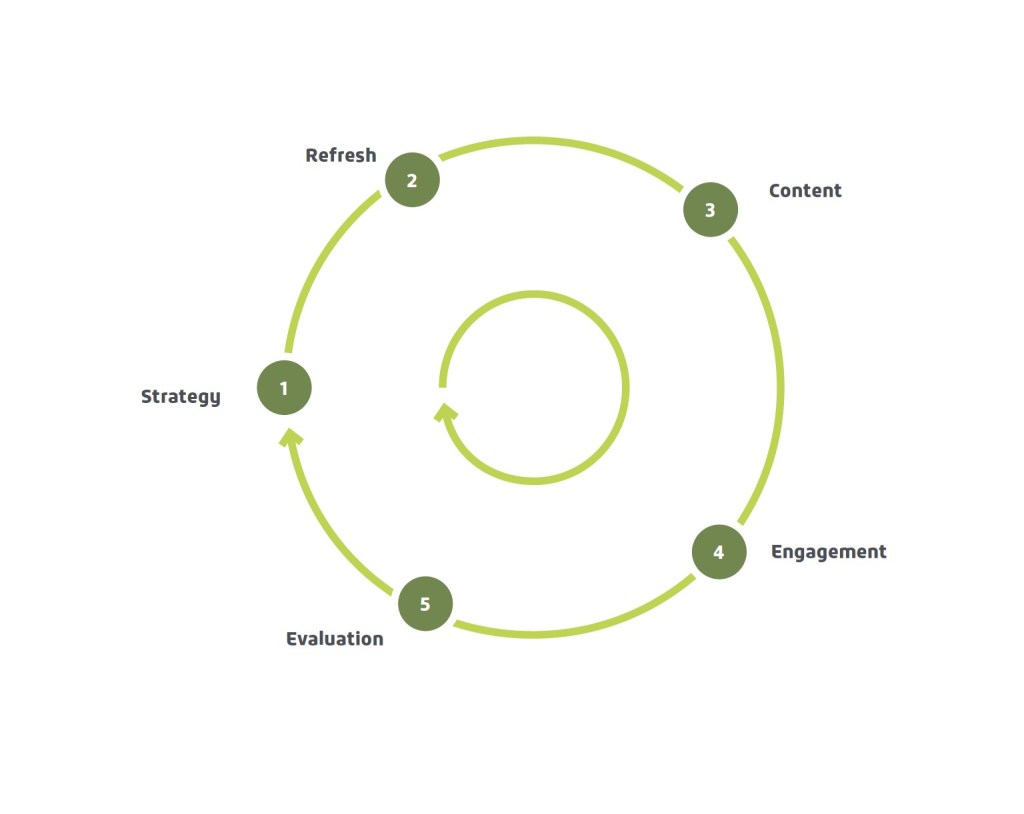
Managing social media isn’t a walk in the park. You’ve got content to create, people to respond to, and bosses to please. To make your job just a little bit smoother, we’ve described five important tasks that can help you make the most of your job description.

1. Start with a social media strategy.

An effective strategy tells you what to post where, when, and how while giving you the power to prove why social media should matter to your boss. Creating a strategy doesn’t have to be a long, convoluted process, but you do need to invest time right from the start in establishing a clear direction for your social media program. Try filling out this worksheet to organize your thoughts.

2. Set up or refresh your social media profiles.

Once you have a strategy, you’ll have identified what platforms you should be using to best reach your target audience. Create about sections that accurately tell your brand’s story while also using keywords that people would associate with the services or products you provide. Create the appropriate profile images, header photos and videos that are free from cumbersome text overlays, and visually in line with the overall look and feel of the company.

3. Create content your audience and boss wants to see.

Since you’ve already completed the strategy, you should have an editorial calendar that can give you a high-level structure for what you should be talking about when. Remember that it’s not just about the marketing messages you want to send. It’s also about providing interesting moments of joy for your followers.

“I’ve learned that people will forget what you said, people will forget what you did, but people will never forget how you made them feel.” ― Maya Angelou 

How you make people feel is a significant part of your brand’s reputation on social media.

4. Respond to people, even the haters.

We can all agree that sometimes people have serious FeELinGs when it comes to online conversations. Remember to never take it personally and always respond with authenticity and grace. Even if you can’t make them feel better about their situation, you can prove to everyone else reading the exchange that your company is simultaneously compassionate and professional.

67% of consumers used a company’s social media site for servicing. 

We’ve written before about customer service on social media, so you can arm yourself with these tips.

5. Evaluate if what you’re doing is really worth it.

You’ve identified the KPIs in your social media strategy, but those numbers aren’t going to check themselves. Pop over to the Insights section of Facebook or Google Analytics on your website to make sure your goals are on target. We typically check our client’s accounts once a week and provide a report at the beginning of each month. And when you don’t hit your goals? Adjust your strategy. Keep in tune with the content your audience enjoys most and how you can continue to develop your brand’s positive relationship with them. Yes, you should measure conversion rates and impressions, but you can’t do so at the expense of the quality interactions you can have with individuals.

71% of consumers who have had a positive experience with a brand on social media are likely to recommend the brand to their friends and family. 

No alt text provided for this image

Breaking your sometimes overwhelming job into these five areas can really help your day seem more manageable, especially when you have to quickly evaluate competing priorities. It can also take a toll on your mental health, but there are ways we can lift each other up:

Researchers at the University of Pittsburgh recently studied adults aged 18-30 and found that a direct relation to increased depression and negative social media experiences. For every 10% increase in reported negative experiences on social media, there was a 20% leap in the person’s odds of reporting depressive symptoms. 

It takes an incredible amount of brilliance and bravery to create and write thousands of pieces of content per year, and put each and everyone on the internet for it to be critiqued. 

Please, ask your social media manager if they’re okay. Give them the resources to succeed. Tell them you appreciate them and send them funny memes. Trust me, it can only help. 

From  Should you ask your social media manager if they’re okay?  By Thea Neil

And ways we can lift ourselves up:

Find Time for Daily Meditation 

Control Your Social Media Feeds 

Monitor Your Screen Time and Set Limits 

Set Self-Care Goals 

Take a Social Media Break 

Give Your Eyes a Break With These Podcasts to Help Your Mental Health 

Ask For Help When You Need It 

From  7 Mental Health Tips for Social Media Managers  by Taylor Loren

Go forth with all your newfound knowledge and don’t be afraid to ask for a helping hand!

How to choose the best social media platforms for your brand

Facebook, Pinterest, Snapchat, oh my! With all the social media platforms out there and your CEO asking you to “do the social media thing,” how do you determine what platform is best for your brand?

According to Social Media Examiner’s research, 97% of marketers are currently participating in social media—but 85% of participants aren’t sure what social media tools are the best to use.1

Aligning your social media efforts with business objectives is half the battle, but you still need to understand how they work, so your efforts won’t be wasted. Answering these four questions will ensure your social media strategy has a strong foundation.

What social media platforms support your goals?

I’m a firm believer that if a social media platform doesn’t support your marketing goals, you shouldn’t invest your time or budget in it. Take time to determine what your goals are and how that translates to your organic social media strategy. Is your primary goal Top of Mind Awareness? Twitter is a high-volume platform great for pushing out large amounts of information in quick bites. Is your goal focused on company culture and recruiting? LinkedIn has an excellent section for posting jobs and resources for recruiter accounts. What about driving website traffic? Pins on Pinterest consistently delivers the highest number of outbound clicks. We’ve created a quick guide for you to reference during this process, so you know what each major platform primarily delivers to brands.

Which social media platforms does your target audience use?

One of the quickest ways to determine what platform your brand needs to be on is by understanding who your target audience is and what social media platforms they are using. Personas are perfect to fully picture who you’re trying to reach. (Don’t worry if you don’t have one! We can help you focus your marketing efforts by creating personas.) If you’re targeting 50-year-old men interested in landscaping, you really don’t need to worry about Snapchat right now. If you’re targeting suburban women ages 30-40, Pinterest is your go to. The chart below will help you quickly find where you need to be to reach your target audience.

Do you have the resources to use the social media platform effectively?

If you’ve decided to be on a social media platform, ensure you have the resources to use the platform correctly and maximize the effectiveness. It’s better to not have a Twitter account at all than a Twitter account that spits out a sales-y message once a month. If you can’t regularly post quality lifestyle images once a week, stay away from Instagram.

There are excellent social media management tools to help you keep up with the volume of content (like Buffer or Hootsuite) and agencies to help you develop a strategy and content, but you need to do the research and be realistic about your budget. We put together a chart showing you what types of content perform best on each social media platform.

Can you measure the results of your social media strategy?

Most likely, your new social media strategy will require more time and resources to execute and you will need data to support that investment when your CEO asks if the “new social thing” is working. Not every social media platform has the same analytic information so a social media management tool (like Buffer or Hootsuite) can help you pull detailed reports in real time. If you decide to use the in-platform analytics, here’s a quick reference of what each platform has available.

At the end of the day, your social media strategy can be a huge asset to your business goals. Reaching your audience with the content they want on the platform they already use can produce results to make your CEO happy.

Two Social Media Tips from Krista Neher

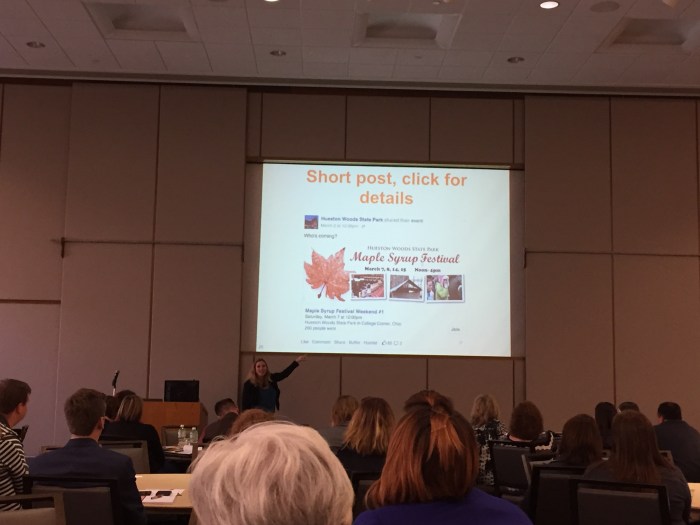
Krista Neher of Boot Camp Digital shared 7 Biggest Social Media Mistakes at 2016’s SummitUp marketing conference. (Don’t worry, you can apply for the free training online!) I’ve seen nonprofits make all seven mistakes, but there’s two changes I made right away to my social media posts at my nonprofit job.

Continue reading “Two Social Media Tips from Krista Neher”